Community
When people play music as a group, everyone has a role. You have to listen to the people around you and contribute to the overall sound.
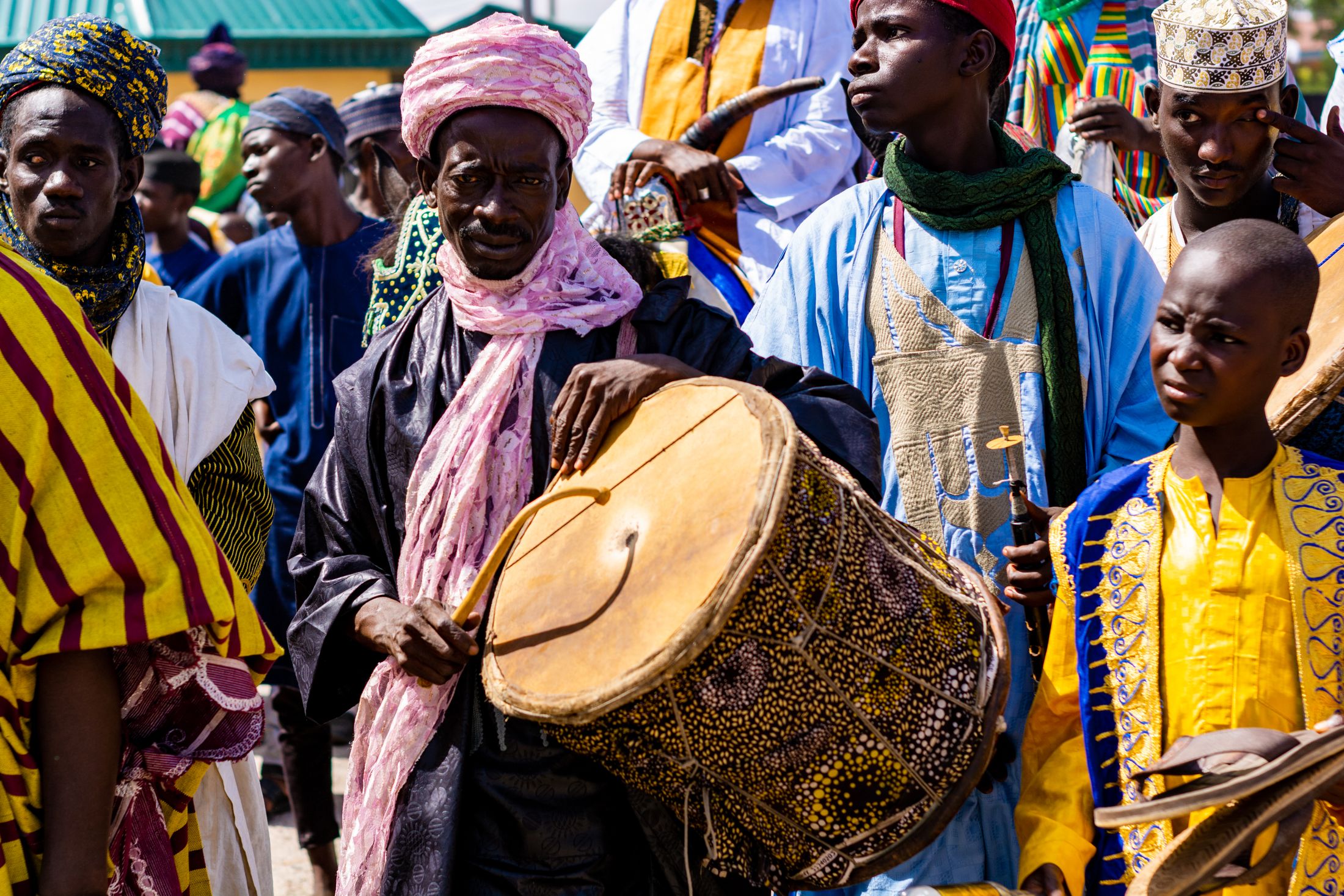
A student exploration of sound, culture & connection
More than rhythm. More than sound. A way of connecting people, sharing stories, and bringing communities together.
African music has many different sounds, traditions, and stories. From powerful drums to instruments like the kora and mbira, music has played an important role in communities across the continent for generations.
For me, this topic is also personal. My interest in African music started with an experience I had in Madagascar in the summer of 2023. I was invited to play traditional African drums during a local event, and that short experience made me want to learn more.
This website is what I discovered along the way.
Explore the music01 / Start here
African music is not one type of music.
Africa is a huge continent with many different countries, cultures, languages, and traditions. Because of this, there are also many different kinds of African music.
In many communities, music is connected to everyday life. It can be part of celebrations, ceremonies, storytelling, dancing, religious traditions, and gatherings with family and friends.
One thing that I find especially interesting is that music can be very participatory. People do not always just sit and listen. They might sing, dance, clap, play an instrument, or respond to the musicians.
Rhythm is an important part of many African musical traditions. Different rhythms can be played at the same time, creating layers of sound. Musicians have to listen carefully to each other and understand how their individual parts fit together.
But African music is about more than rhythm. It can also be about community, communication, storytelling, tradition, celebration, and identity.
There is no single sound that represents the entire continent. That diversity is one of the things that makes African music so interesting to explore.
02 / The meaning underneath
Music can mean different things to different people. When I started learning more about African music, I became interested not only in the instruments and rhythms, but also in the ideas behind them.
When people play music as a group, everyone has a role. You have to listen to the people around you and contribute to the overall sound.
Drumming can feel like a conversation. One player can start a rhythm, and another can answer with a different one. You have to listen to what other people are playing instead of only thinking about your own part.
In some traditions, music and storytelling have been important ways of passing ideas and cultural knowledge from one generation to another.
Learning an instrument is not only about learning how to play it. It can also lead to learning about where it came from and why it matters.
The energy of a group playing together can turn music into something everyone participates in.
Different communities have their own instruments, rhythms, songs, and traditions, which are part of what makes their cultures unique.
Music is not only something people listen to. It can be something people share.
03 / The instruments
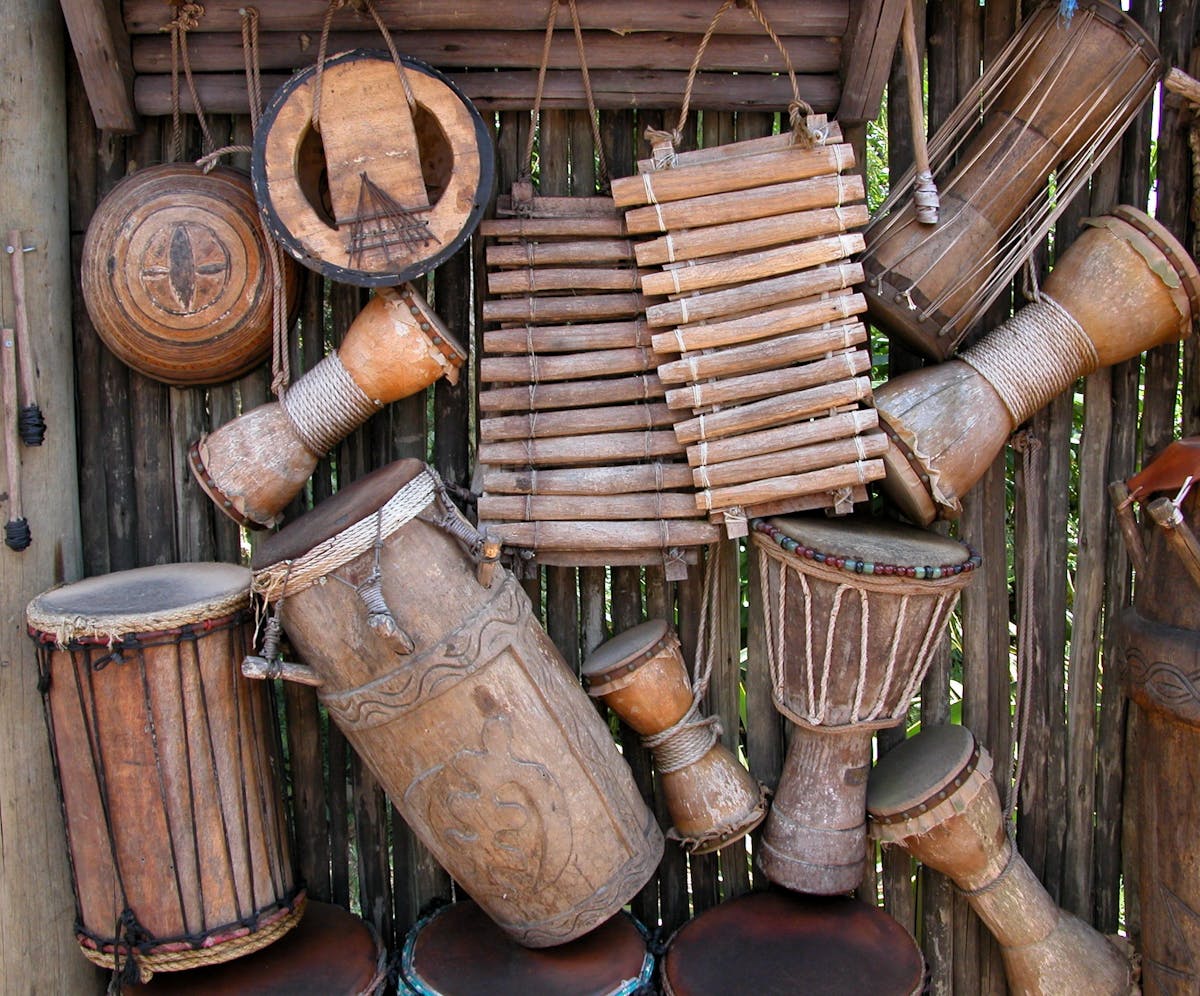
Drums are the instruments I connect with most personally, but they are only one part of African music.
Different communities across Africa have developed many different drums and other instruments, each with their own sounds, construction, and traditions.
04 / A personal note
My interest in African drumming started in the summer of 2023, when my family and I traveled to Madagascar. What began as one unexpected opportunity to play became a curiosity that has stayed with me.
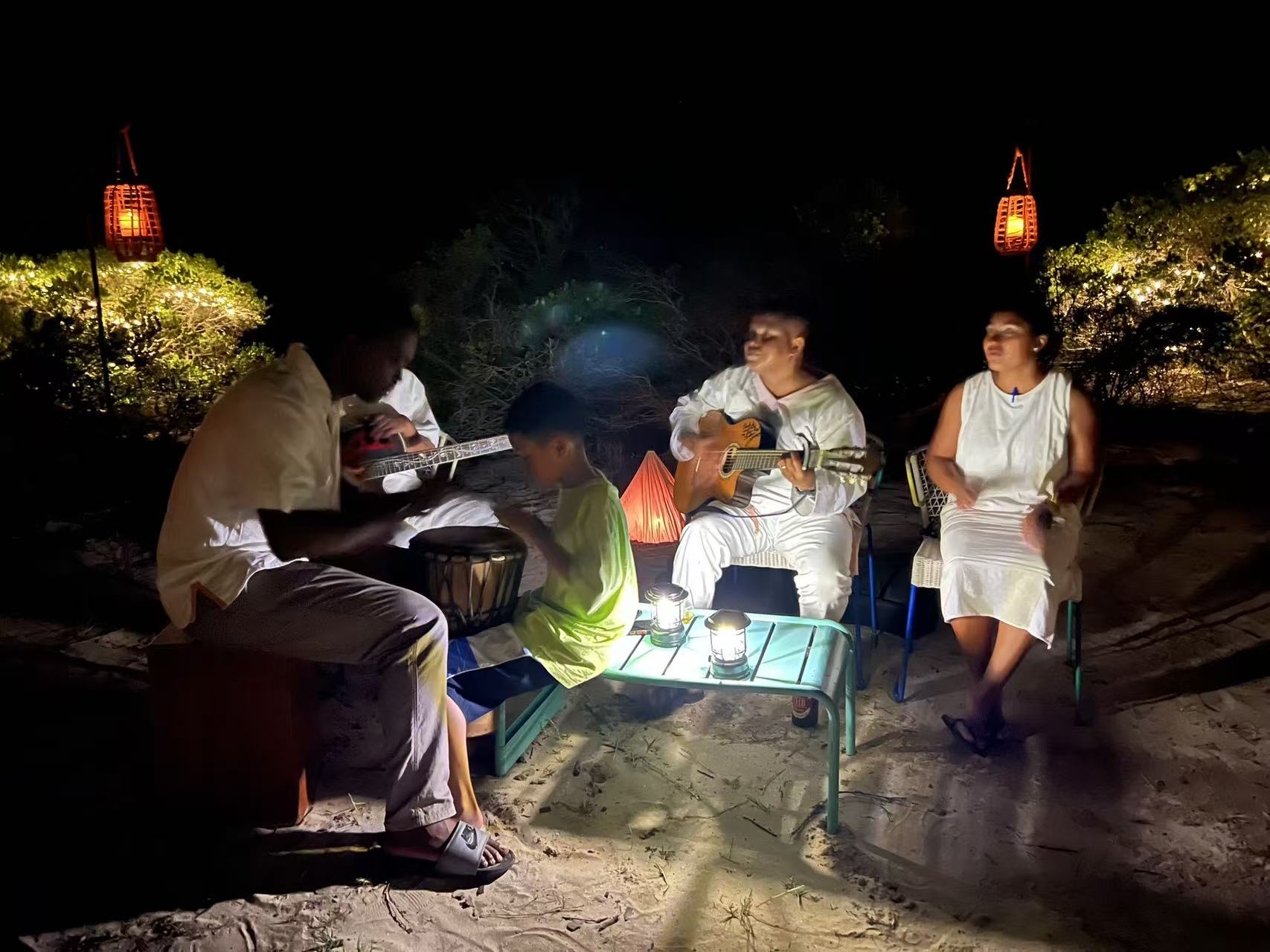
Summer 2023
Madagascar
My interest in African drumming started in the summer of 2023, when my family and I traveled to Madagascar. During the trip, we went to an event where musicians were performing with traditional African instruments. I was especially interested in the drums. I liked the sound and the way the different rhythms came together.
The first rhythm
Being invited to play
At the event, the musicians invited me to come up and play. I had never really played African drums before, so I wasn’t sure what to expect. I remember trying to follow the rhythm while listening to the other musicians around me. It was a little challenging, but it was also really fun. Even though I was only playing along for a short time, I enjoyed being part of the performance.
Back home
The experience stayed with me
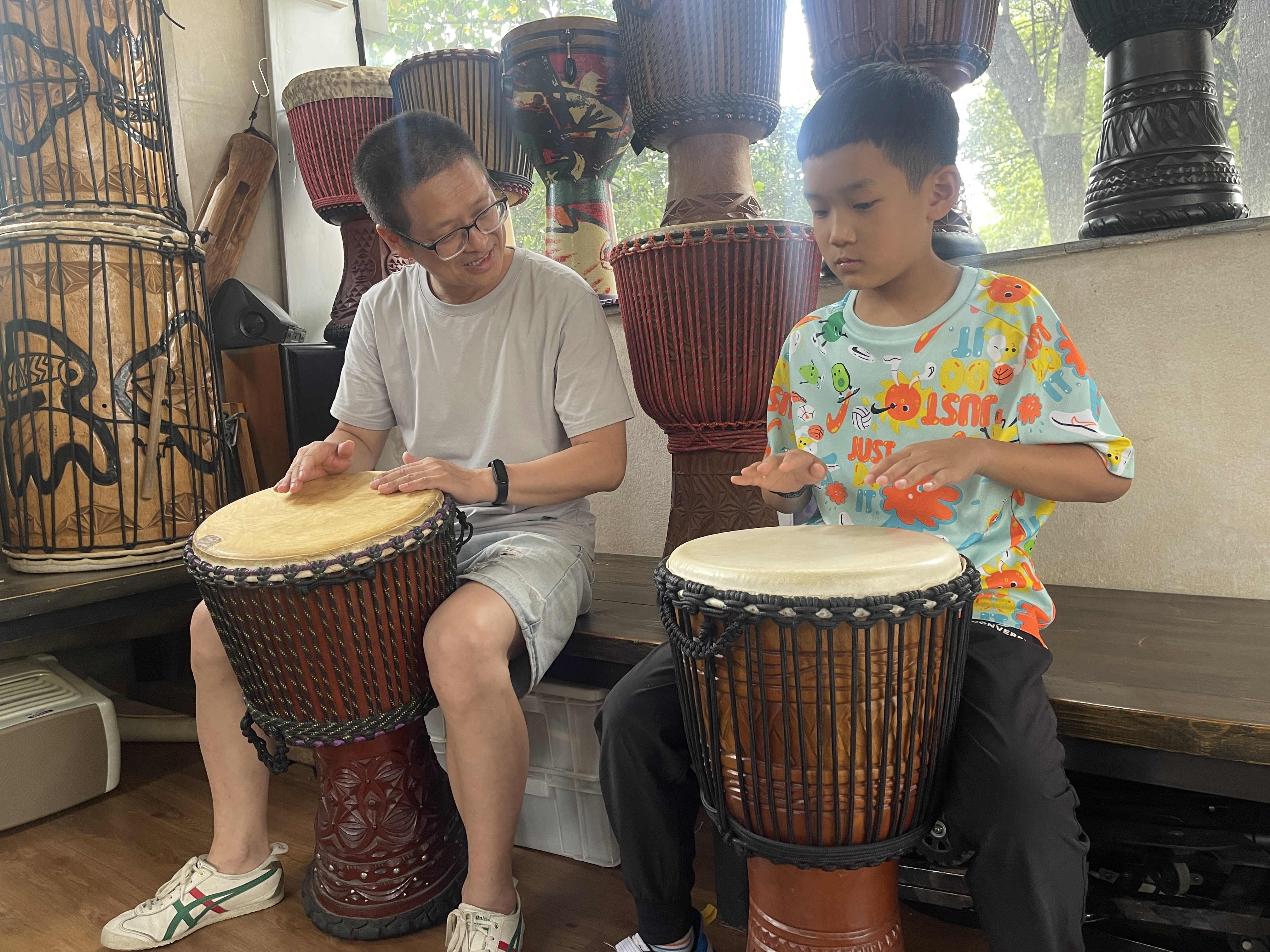
After I came home, I kept thinking about that experience. I wanted to learn how to play the drums properly and understand more about the rhythms I had heard. That experience in Madagascar was what first got me interested in African drumming.
Starting to learn
Turning curiosity into practice
As I started learning, I realized that drumming was not just about hitting the drum at the right time. I had to listen to other players, keep track of my own rhythm, and pay attention to how everything fit together. The more I practiced, the more I understood how important teamwork and listening are when playing with other people.
Today
What African drumming means to me
I also became more curious about the music itself. I wanted to know where the different instruments and rhythms came from and why they were important to the communities that played them. Looking back, I think the most interesting part is that I didn’t plan on becoming interested in African drumming when I went to Madagascar. It started with one unexpected opportunity to play. After that, I simply wanted to learn more, and that curiosity has stayed with me.
05 / More than sound
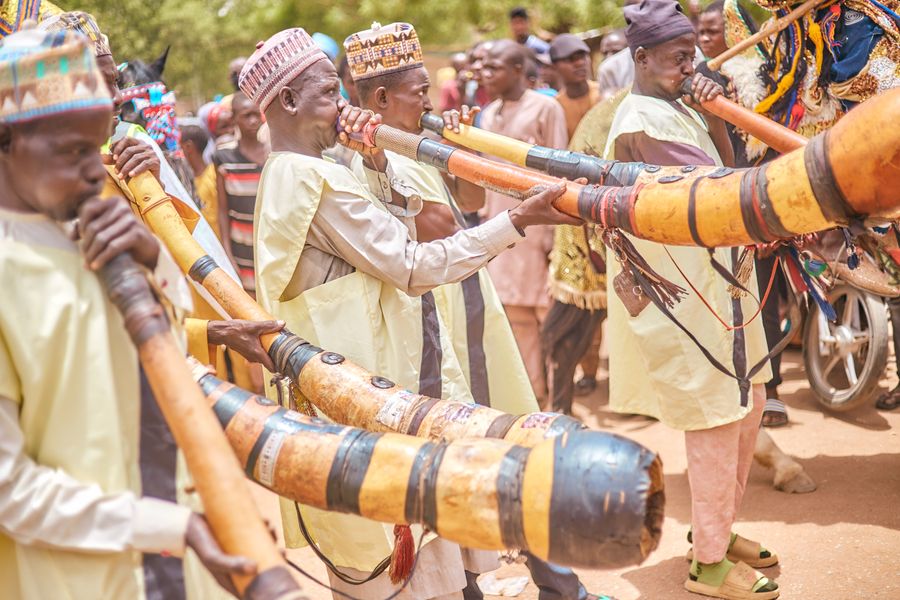
African music can be more than something people listen to. It can be part of a celebration, a dance, a story, or a gathering.
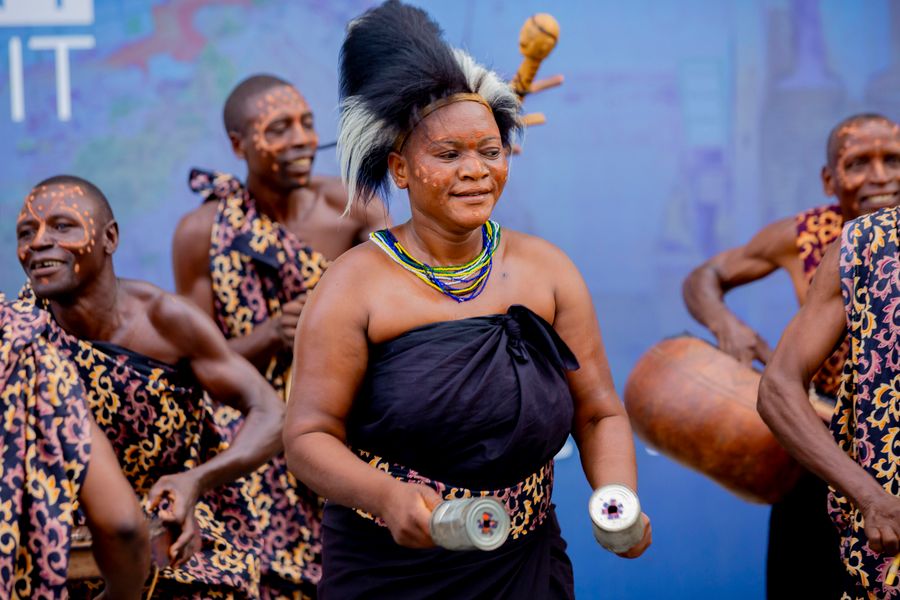
 01
01Music brings people together for festivals, ceremonies, and joyful moments.
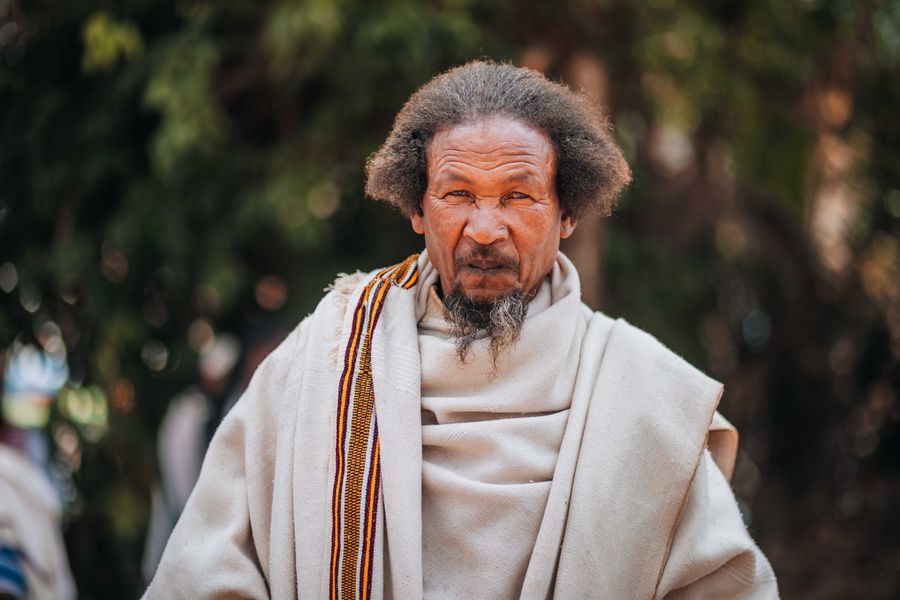
 02
02Movement and rhythm go hand in hand, turning sound into something you can feel.
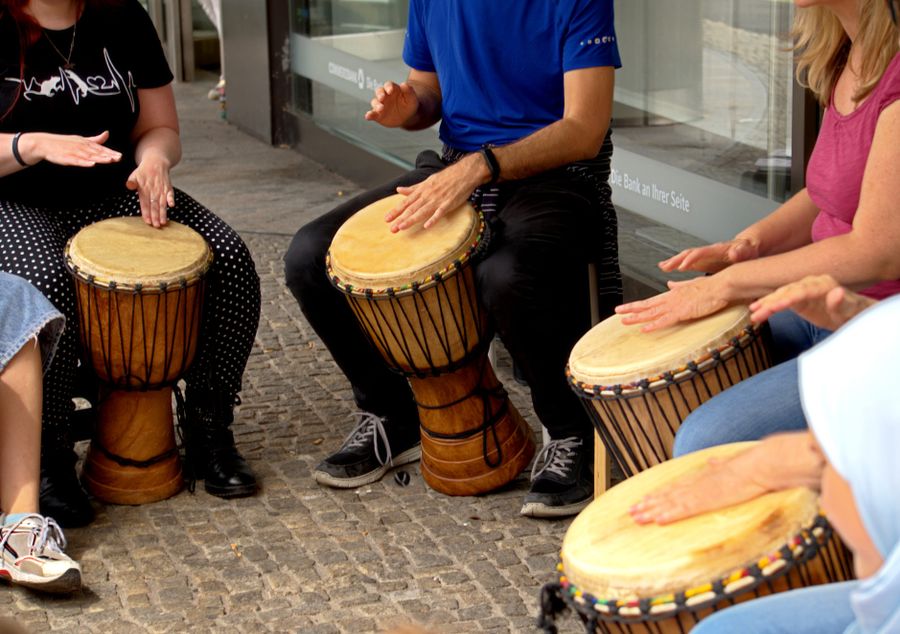
 03
03Music carries stories and ideas from one generation to the next.
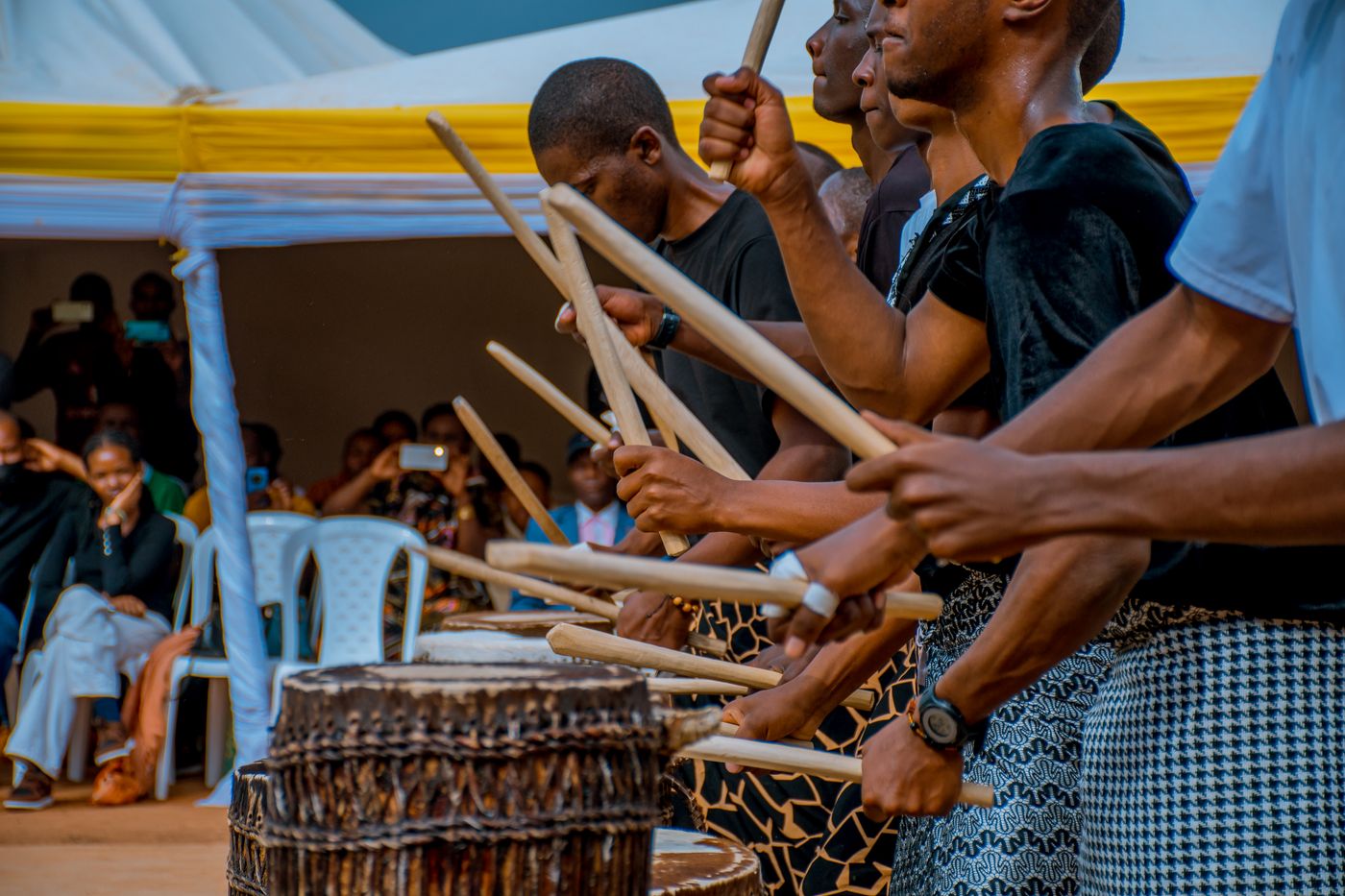
 04
04People do not just sit and listen. They sing, clap, play, and respond.
When I started learning African drums, I began to understand this differently. I wasn't just listening to the music anymore. I was actually taking part in it.
And I think that's one of the things that makes African music so interesting to me.
Every region has its own sound. Next, see how music changes across the continent.
06 / Many traditions
Africa is a huge continent with thousands of cultures, languages, and musical traditions. Music can sound completely different from one region to another, but rhythm, community, storytelling, and movement are often important parts of the experience.
North African music has been shaped by African, Arab, and Mediterranean cultures. Traditional music often features instruments such as the oud, darbuka, frame drums, and flute-like instruments. Rhythms can range from calm and melodic to fast and energetic. Music is often connected to celebrations, storytelling, and religious or cultural traditions.
West Africa is famous for its powerful percussion and complex rhythms. Instruments like the djembe, talking drum, balafon, and shekere are important in many traditions. Music can involve call-and-response, where one musician or group plays a phrase and others answer. Music is often a social experience, bringing people together to dance, celebrate, and tell stories.
Central African music includes many different traditions, with strong connections between music, dance, and community life. Drums, rattles, wooden instruments, and the human voice are commonly used. Some traditions use repeating rhythms and layered patterns, creating music that feels almost like several rhythms happening at once.
East African music has many different influences because of the region's long history of trade and cultural exchange. Traditional music can include drums, string instruments, flutes, and thumb pianos. Coastal areas have also developed musical styles influenced by Arab and Indian Ocean cultures. Music is often used for celebrations, ceremonies, storytelling, and dancing.
South African music is known for its incredible variety and strong rhythmic traditions. Different communities have their own musical styles, including vocal music, drums, string instruments, and body percussion. South Africa has also developed famous modern genres such as mbube, mbaqanga, and amapiano, showing how traditional African sounds can continue to evolve into new music.
There is no single sound of Africa.
The more I learned, the more I realized that describing African music as one thing misses how diverse the continent really is.
07 / Always changing
African music is not only part of history. Musicians today continue to create new sounds, combine different influences, and introduce African music to audiences around the world.
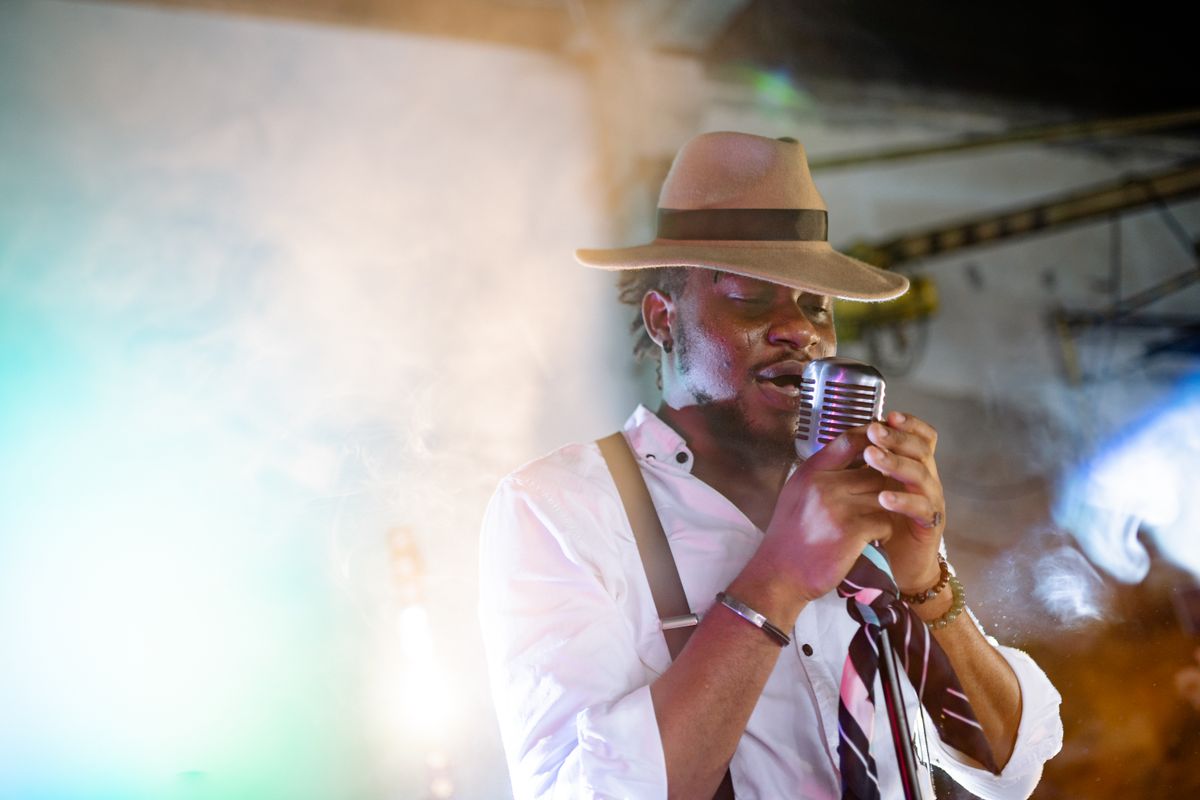
Afrobeats is a modern genre that developed in West Africa and has become popular internationally. It combines different African musical influences with elements of pop, hip-hop, dance music, and other genres.
Amapiano developed in South Africa and has become one of the country’s most influential modern musical styles. Its sound is strongly connected with dance and electronic production.
Highlife developed in West Africa and combines African musical traditions with outside influences. It has influenced many later African musicians and genres.
African musical traditions and jazz have influenced each other in different ways. Musicians have combined African rhythms, instruments, and musical ideas with jazz to create new styles.
From tradition to something new
What I find interesting is that African music is not staying the same. Musicians are taking ideas from older traditions and combining them with new technology, new genres, and new influences.
African music continues to change. And it continues to influence music far beyond Africa.
08 / Looking closer
Photographs help me notice the hands, instruments, movement, and people inside the music.
09 / Looking inward
These are ideas I can keep revising as I continue learning and playing.
Playing with other musicians has taught me that music is not only about my own part. I have to listen to what everyone else is doing and adjust to the group.
Learning rhythms takes practice. Sometimes something that looks simple when someone else plays it can be surprisingly difficult when I try it myself. I have learned that getting better usually means practicing something again and again until it starts to feel natural.
When several people play together, everyone has their own part. The music works because those parts fit together. Playing drums has helped me understand that contributing to a group is not always about standing out. Sometimes it is about listening and making your part work with everyone else.
My experience in Madagascar made me curious about African drumming. That curiosity eventually became a reason for me to keep learning about the instruments, rhythms, and cultures behind the music. I started with one experience, but the more I learned, the more questions I had.
10 / Looking forward
I am still learning. There are many rhythms, instruments, and musical traditions that I do not know much about yet.
I want to keep improving as a drummer while also learning more about the cultures and stories behind the music.
For me, that is what makes learning interesting.
There is always something else to discover.
Final note
This website is a project about something I became interested in through a real experience. I started with one moment in Madagascar. I kept learning because I wanted to understand more. And I am still learning.